Neurodivergent, gifted and 2e learning support
Your child’s story is in pieces. Let’s bring it together.
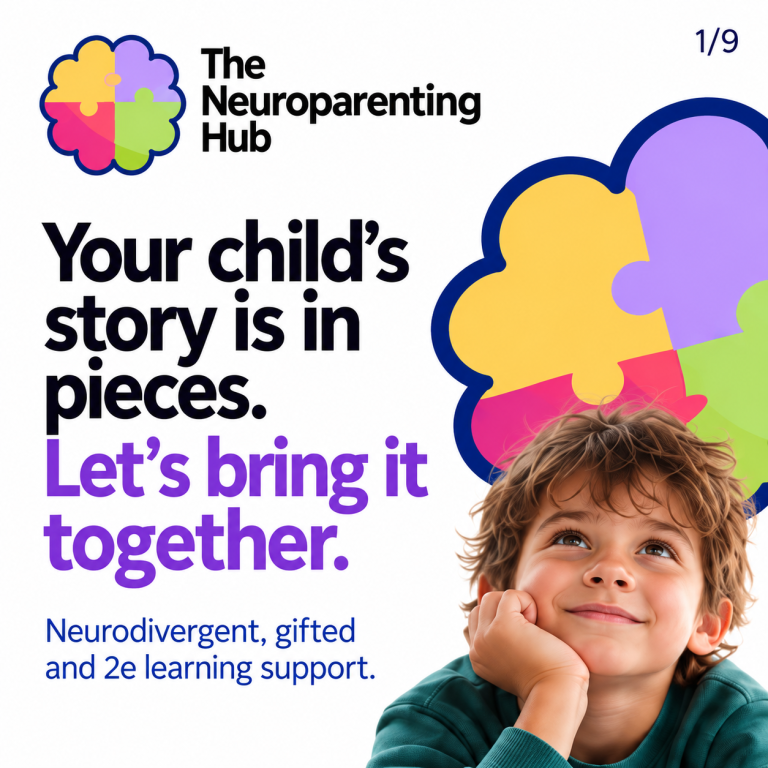
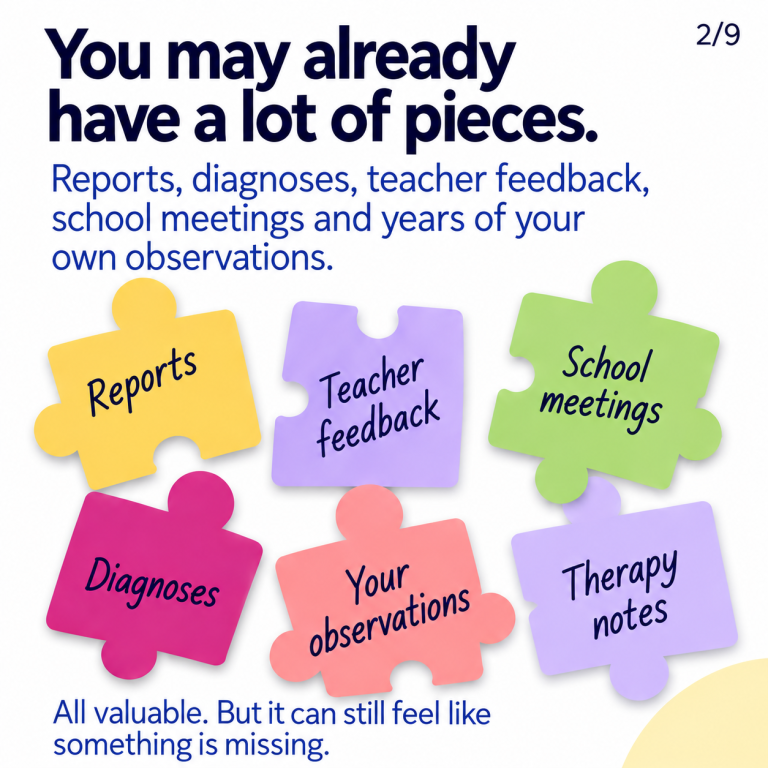
You know your child. You may also have reports, diagnoses, teacher feedback and years of observations. Yet somehow, the whole picture still does not quite add up.
I’m Nicola. I’m an educator and a mom of a neurodivergent young adult. I help families bring those pieces together and work out what they mean for the child actually living the school day.
Start with the child
What is everyone seeing?
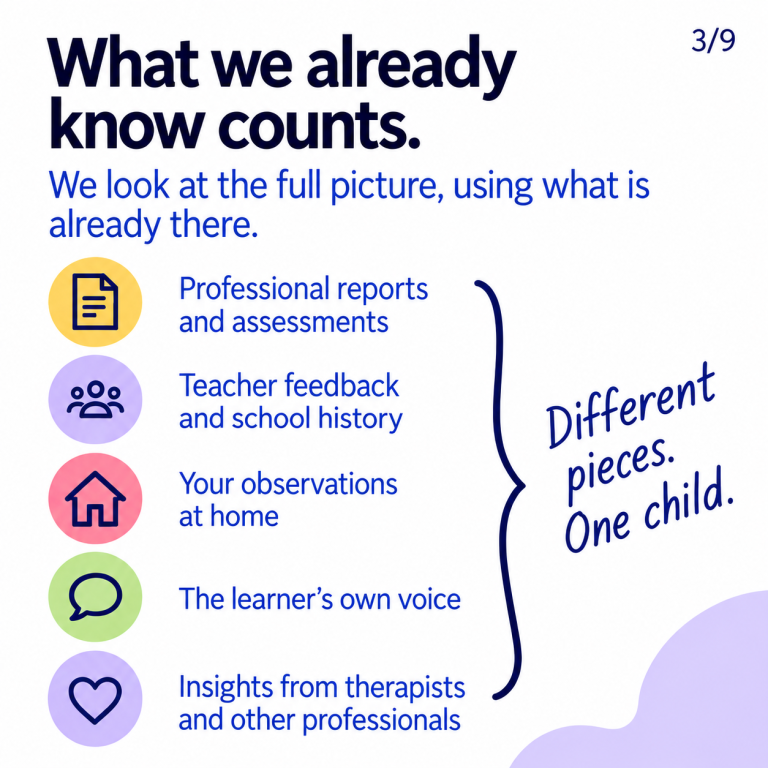
Professional reportsSchool historyTeacher feedbackParent observationsLearner voiceThe Neuroparenting Hub
What I mean when I say: bring the pieces together.
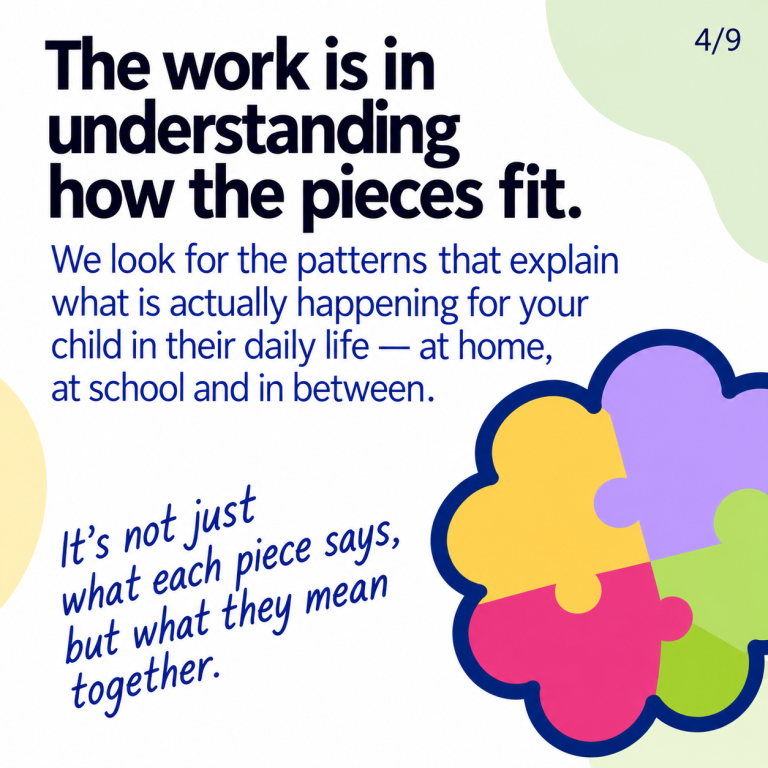
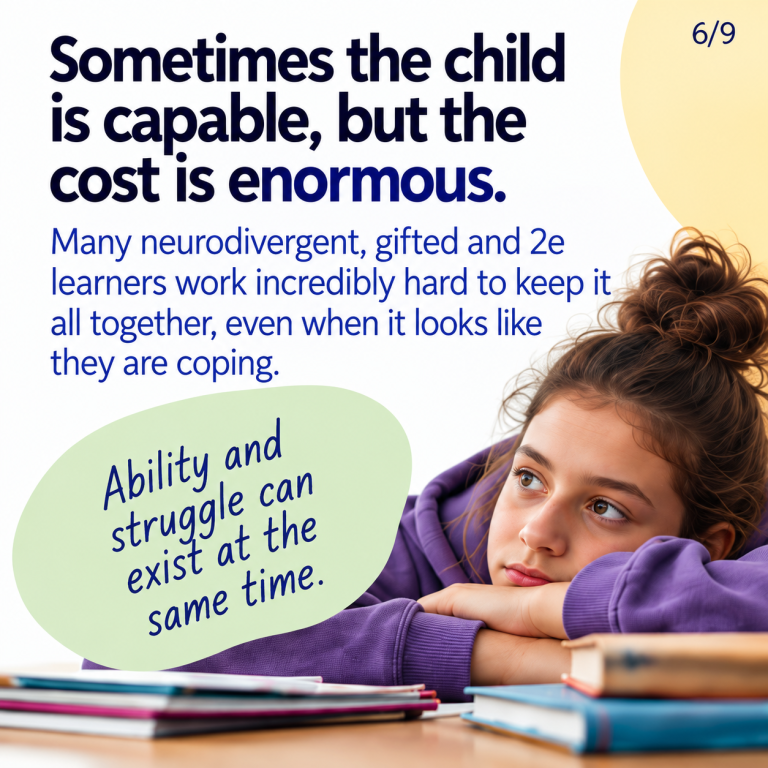
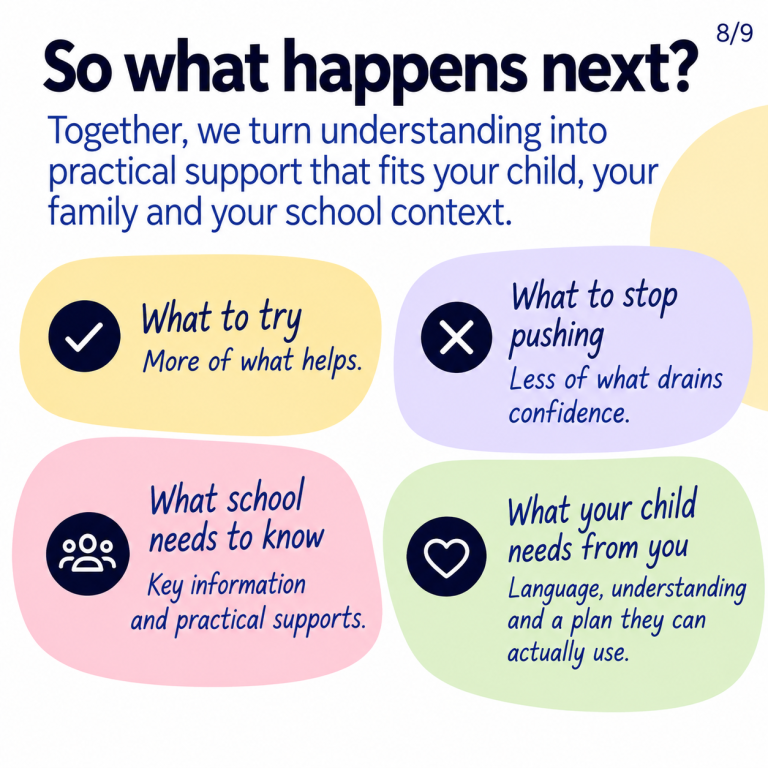
Reports, school feedback, parent observations and the learner’s own voice can tell different parts of the story. I look at where they agree, where they differ and what that means for support at home and school. Sometimes a child can do the work, but the effort it takes is enormous. The aim is to identify practical next steps with the people involved.
Where we begin
We start with what is happening for your child.
Every new learning-support enquiry begins with a free initial conversation. Bring me what is happening, what has already been tried and what you are trying to work out. We use that first conversation to decide whether I can help and what would actually be useful to do next.
Where should I start?
Which of these sounds closest to where you are?
I have reports, but I still don’t know what to do with them
Start with Report-to-Reality™. We take what is already known and work out what it means for the learner’s actual school and learning life.
Explore Report-to-Reality™ →My gifted or 2e child is struggling
Ability can hide difficulty and difficulty can hide ability. We look at both, together.
Explore gifted and 2e support →School is where things are getting stuck
We can look at communication, school fit, learning pathways or the particular demands creating difficulty.
Explore school support →My child needs a different way of learning
For homeschoolers and learners who need one-to-one or very small learning spaces, the teaching itself can be built much more closely around the learner.
Explore bespoke learning support →I need a clearer picture of my child as a learner
We bring the professional evidence, school experience, parent picture and learner voice together before deciding what deserves attention.
See how the process works →Report-to-Reality™
A report can explain a learner beautifully and still leave everyone wondering what Monday should look like.
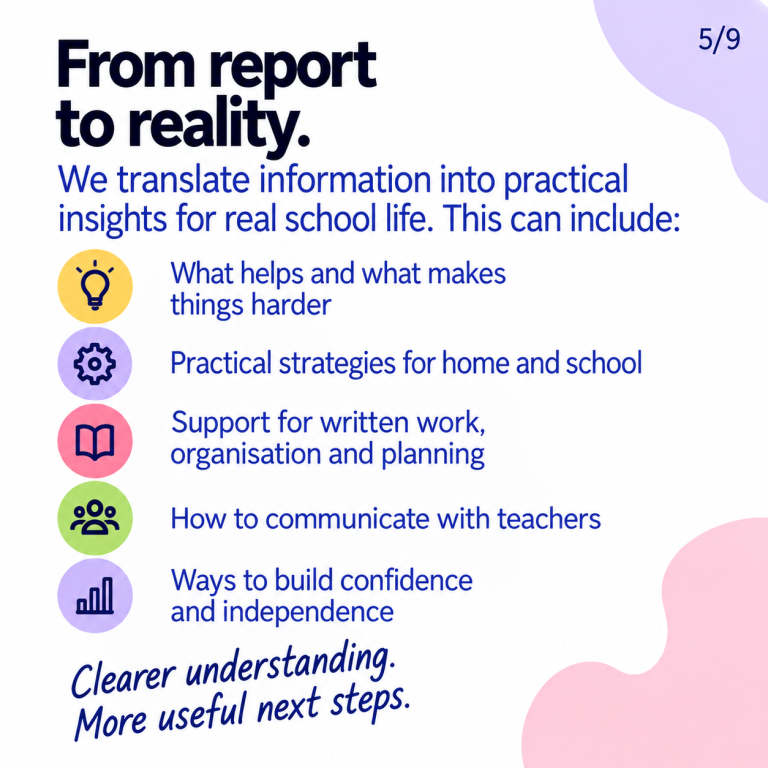
Report-to-Reality™ takes the learner picture off the page and works out what it means for school, homework, studying, written output, organisation, expectations and support. I look at capacity, access and cost: what the learner can do, what helps or blocks access to that ability and what it is costing them to keep up.
Gifted and twice-exceptional learners
Ability and difficulty can exist in the same child.
Ability can make the difficulty harder to see, while visible difficulty can obscure the ability. Either way, expectations can end up badly matched to the learner.
“A child can be technically capable of doing something and still be paying an enormous cost to do it.”
About Nicola
I’ve been on both sides of the school meeting table.
I’ve spent around 25 years in education, with close to half of my teaching career in neurodivergent and gifted education. I also know this from the parent side. My son is a profoundly gifted neurodivergent young adult, and years of trying to get school, reports, ability, difficulty and daily reality to make sense together changed the way I work. I know what it is to sit on both sides of that meeting table.
B Prim Ed (University of the Witwatersrand) · SACE-registered educator. Around 25 years in education, including approximately a decade working in gifted education. Further professional development through the University of Colorado System in ADHD, autism and learning disabilities in school settings. Qualifications and experience →
Education, with lived experience behind it
My role is educational. Lived experience does not replace evidence or professional expertise, but it does mean I know how different a child can look from the classroom, the report and home. I bring those pieces together, look for the patterns between them and help turn what we know into something useful for the learner’s actual day.
From the Neuroparenting Hub
You can also use the Hub without booking a session.
The Neuroparenting Newsroom
Longer-form writing on neurodivergence, giftedness, 2e learners, school fit and the questions families keep trying to make sense of.
Read the Newsroom ↗Books and downloadable resources
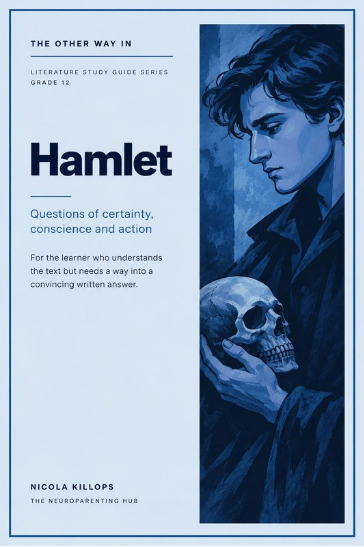
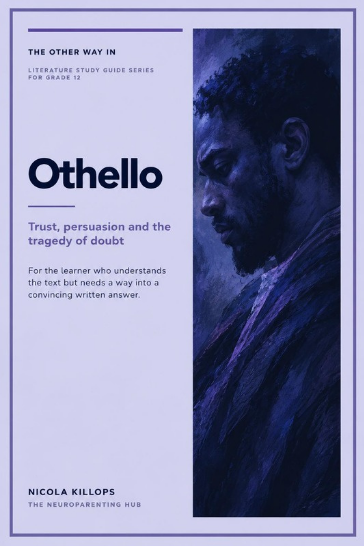
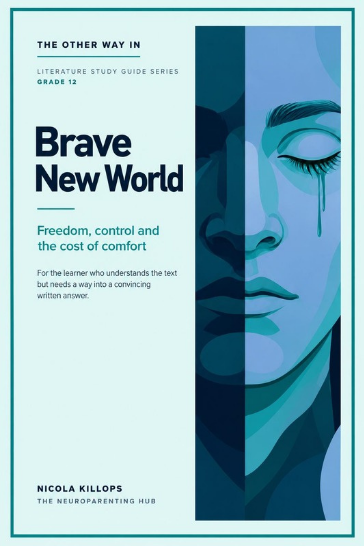
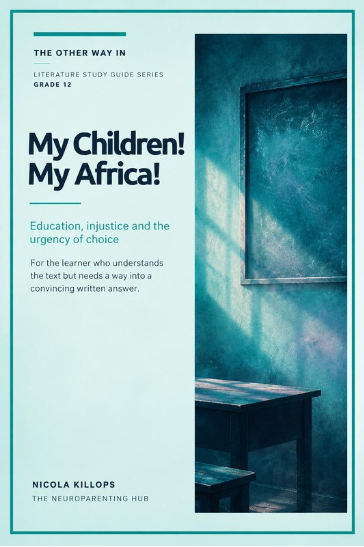
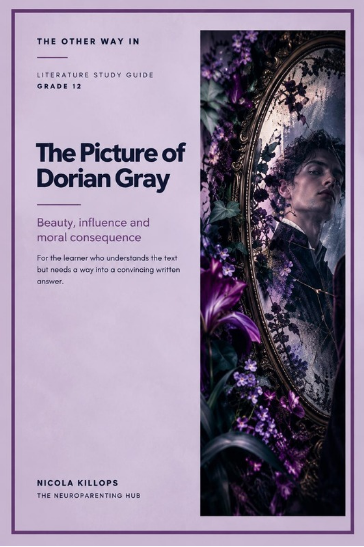
Story-based resources for younger children, beginning with Hadeda Has Opinions, and The Other Way In matric literature guides for learners who need the content without being buried in it.
Browse all books and resources →The Other Way In
Grade 12 literature guides
For learners who know more than they can always get onto the exam page. Understand the text, work with quotations and build a literature essay. Each guide includes a real sample page to preview before buying.
Digital PDF · R180 per guide
From parents
A few words from families I’ve worked with.
“Nicola got her. There were things I had been trying to explain for years and she saw them almost immediately.”
Parent“For the first time I had something I could actually take back to the school. It gave me a way to explain what was happening without feeling like I was constantly defending my child.”
Parent“I wish we’d done this earlier. We had all the reports and knew where the difficulties were, but we were still stuck on what to actually do next.”
Parent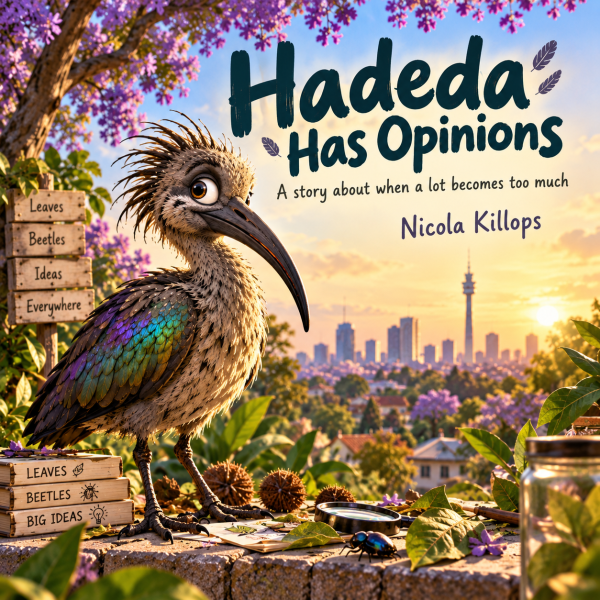
Books and downloadable resources
Hadeda Has Opinions
A story about when a lot becomes too much.
Hadeda has been working on her project for three weeks. By 9:17, she has already had enough of several things.
A South African picture book about what can build up before the behaviour everyone else sees.
Digital PDF • R89
Working around the child
No child exists in one room.
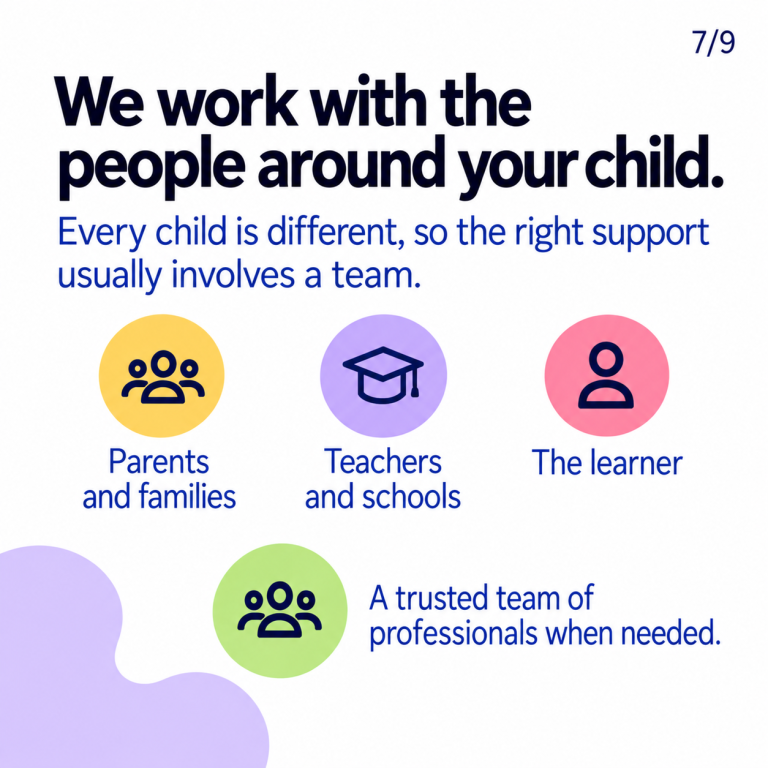
I work across the information held by families, teachers and other professionals. When another person, school, service or tool is useful, I would rather point you towards something I genuinely trust than try to be every part of the answer myself.
Start with what you are seeing.
Tell me what is happening for your child. If I can help, we can work out the useful question from there.
Start with a free conversation